
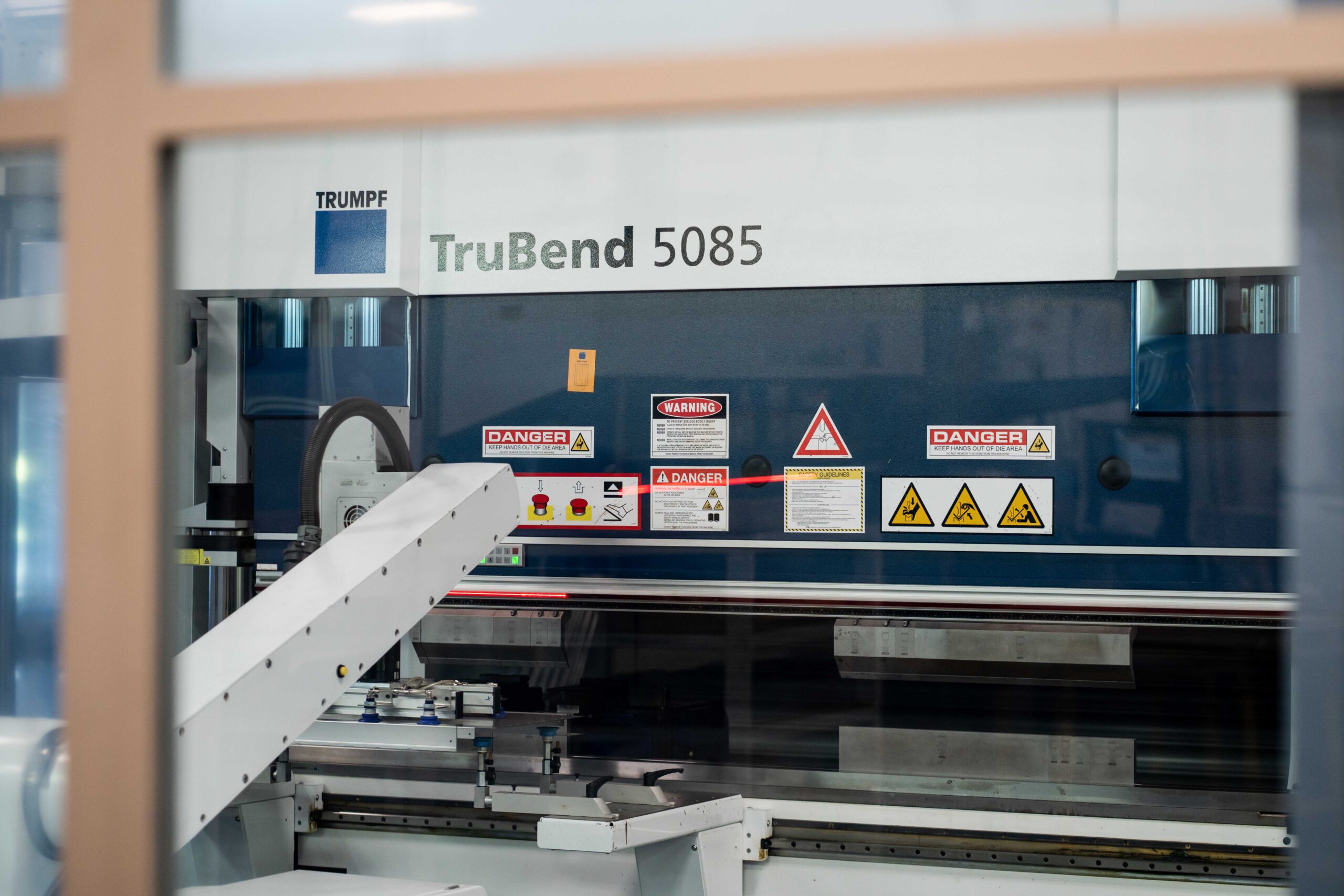
Sheet metal fabrication is the process of cutting, bending, and shaping thin metal sheets into finished parts. It uses methods like laser cutting, punching, and press braking.
Common materials include steel, aluminum, and stainless steel. Industries like electronics, HVAC, and construction rely on it for custom parts, enclosures, and structural components.
Sheet metal fabrication turns flat metal sheets into parts, panels, and products people use every day. It shapes the machines, buildings, and vehicles around us.
At Newburgh Metals, we handle this process daily for clients across industries. This guide breaks down how it works, in plain and simple terms.
Whether you are an engineer, a business owner, or just curious, this post covers what you need to know. No jargon, no fluff.
What Is Sheet Metal Fabrication?
Sheet metal fabrication is a manufacturing process. It transforms flat metal stock into three-dimensional parts through cutting, bending, and forming.
The process starts with a design. Engineers create a digital file, then machines cut and shape the metal to match it exactly.
This method is popular because it is fast, repeatable, and cost-effective. It works well for both small prototypes and large production runs.
Common Sheet Metal Fabrication Processes
Different projects need different techniques. Here are the core processes used in most fabrication shops today.
| Process | What It Does | Best For |
| Laser Cutting | Uses a focused laser beam to cut precise shapes | Complex designs, tight tolerances |
| Punch Pressing | Punches holes or shapes using a die | High-volume, repeatable parts |
| Press Braking | Bends sheet metal into angles | Enclosures, brackets, panels |
| Welding | Joins metal pieces together | Assemblies, structural frames |
| Powder Coating | Applies a protective, colored finish | Durability and appearance |
Laser Cutting
Laser cutting uses a high-powered laser to slice through metal sheets. It creates clean edges and handles intricate designs with ease.
This process works great for parts that need tight tolerances. It is fast, accurate, and reduces material waste.
Punch Pressing
Punch pressing uses a machine to stamp holes or shapes into metal. It is ideal for high-volume production runs.
Computer-guided punch presses ensure every part matches the last. This keeps quality consistent across thousands of units.
Press Braking
Press braking bends flat metal into specific angles. Computer-guided press brakes make this process precise and repeatable.
This step is essential for creating enclosures, brackets, and structural panels. It turns flat sheets into usable, three-dimensional shapes.
Welding
Welding joins two or more metal pieces into one solid part. It is used heavily in assemblies and structural fabrication.
Strong welds ensure durability. This step often comes after cutting and bending, once individual pieces are ready to combine.
Powder Coating
Powder coating adds a durable, colored finish to metal parts. It protects against rust, scratches, and wear.
This finishing step also improves appearance. Many industries require it for both function and aesthetics.
Materials Used in Sheet Metal Fabrication
Material choice affects strength, weight, cost, and finish. Here are the most common options.
- Steel: Strong, affordable, and widely used for structural parts
- Stainless Steel: Resists corrosion, ideal for food and medical equipment
- Aluminum: Lightweight, corrosion-resistant, great for aerospace and electronics
- Copper: Excellent conductor, used in electrical components
- Brass: Decorative and corrosion-resistant, common in fittings
Choosing the right material depends on your project’s needs. A good fabrication partner helps you pick what fits best.
Applications of Sheet Metal Fabrication
Sheet metal fabrication supports countless industries. Here is where it shows up most often.
- Electronics: Enclosures, chassis, and housings for devices
- HVAC: Ductwork, vents, and equipment panels
- Construction: Structural components and architectural panels
- Automotive: Body panels and brackets
- Medical Equipment: Enclosures and precision parts requiring strict tolerances
Each application demands specific tolerances, finishes, and materials. That is why contract manufacturing partners matter so much.
Why Work With a Contract Manufacturer
Not every business has in-house fabrication equipment. That is where contract manufacturers step in.
A company like Newburgh Metals handles design, prototyping, sheet metal fabrication, welding, machining, and powder coating. This means one partner manages your entire production process.
This approach saves time and reduces costs. You get consistent quality without investing in your own machinery.
Final Thoughts
Sheet metal fabrication is at the core of modern manufacturing. From laser cutting to powder coating, each step plays a role in building the products we use daily.
Understanding the basics helps you make smarter decisions for your next project. And working with an experienced partner makes the process even smoother.
Newburgh Metals offers end-to-end sheet metal fabrication services, from design to final delivery. If you have a project in mind, reach out and get a quote today.
Frequently Asked Questions
What is sheet metal fabrication used for?
Sheet metal fabrication creates parts, enclosures, and structural components for industries like electronics, HVAC, automotive, and construction. It shapes flat metal into functional, precise products.
What is the difference between laser cutting and punch pressing?
Laser cutting uses a focused beam for intricate, high-precision cuts. Punch pressing uses a die to stamp shapes, making it faster and better for high-volume, repeatable parts.
Which metals work best for sheet metal fabrication?
Steel, aluminum, and stainless steel are the most common choices. Steel offers strength and affordability, aluminum is lightweight, and stainless steel resists corrosion well.
Why should I choose a contract manufacturer for fabrication?
A contract manufacturer handles design, cutting, welding, and finishing under one roof. This saves you money on equipment and ensures consistent quality across every production run.
How does powder coating improve sheet metal parts?
Powder coating adds a durable, protective layer that resists rust, scratches, and wear. It also improves appearance, giving parts a clean, long-lasting finish.