
How to Choose the Right Metal Fabrication Company Near You
Looking for a metal fabrication company near you? You want someone who gets your parts right the first time, on schedule, without a dozen follow-up calls. At Newburgh Metals, we’ve worked with manufacturers, contractors, and engineers who’ve been burned by fabricators who overpromise. This guide breaks down exactly what to look for before you commit.
What Does a Metal Fabrication Company Actually Do?
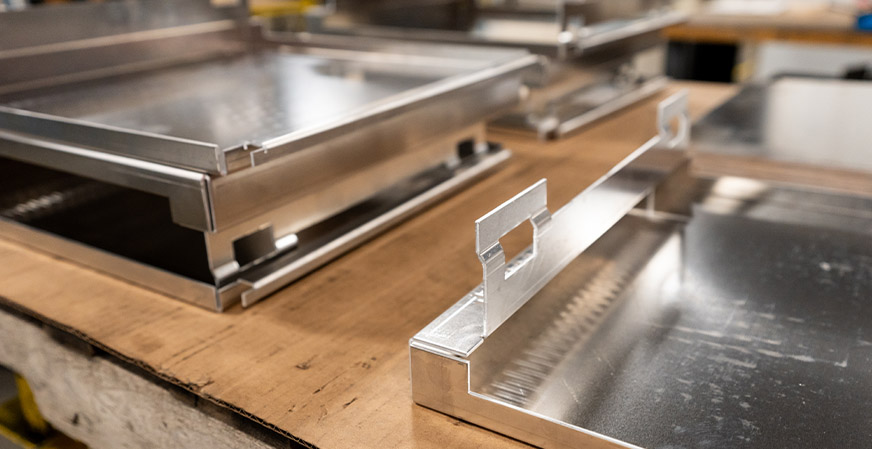
A metal fabrication company takes raw metal and turns it into finished parts, brackets, enclosures, or structural components. That process usually includes cutting, bending, punching, and welding. Some shops handle one or two of these steps. Others, like us, run the full process under one roof, from design through delivery.
That matters because every handoff between vendors adds delay and risk. Fewer hands on your project means fewer chances for miscommunication.
Why Fabrication Quality Matters More Than Price
It’s tempting to pick the lowest bid. But a cheap quote often means outdated equipment, less experienced staff, or corners cut on tolerances. Poor quality fabrication shows up later, in parts that don’t fit, welds that fail, or finishes that peel.
We invest in equipment like our TRUMPF TruBend press brakes and Amada turret punch presses because precision isn’t optional in industrial work. Contractors and engineers need parts that match spec every single time, not most of the time.
How to Check a Fabricator’s Technical Capability
Ask what machines they run and how old that equipment is. Newer, computer-guided press brakes and automated punch presses produce tighter tolerances than manual setups. Ask, too, whether they have in-house design engineers.
At Newburgh Metals, our engineering team works in SolidWorks and AutoCAD, so we can catch design flaws before a single sheet gets cut. That saves you rework costs down the line. A shop without design support just executes your file as-is, mistakes included.
Why Local Metal Fabricators Save You Time and Money
Shipping heavy fabricated components across the country adds cost and shipping risk. Local metal fabricators cut lead times because you’re not waiting on freight schedules. Site visits become possible too, so you can walk the shop floor and see your project in progress.
Being close also means faster turnaround on revisions. If a part needs adjusting, a nearby shop can often fix it same-day instead of shipping it back and forth for weeks.
What Certifications Should You Look For?
Certifications tell you whether a shop meets recognized safety and quality standards. ETL and UL certification, for example, confirms electrical and safety compliance for assembled components. If your project touches electronics or contract manufacturing, this isn’t a nice-to-have.
We hold both ETL and UL certification here at Newburgh Metals, along with industry certification for assembling electronics and contract manufacturing parts. That means your components meet safety benchmarks before they ever leave our shop.
Questions to Ask Before Hiring Custom Metal Fabrication Services
Before signing anything, ask these questions directly:
- What’s your typical turnaround time for a project this size?
- Can you provide design analysis before production starts?
- Do you handle prototyping in-house?
- What happens if a part fails quality inspection?
Good fabricators answer these without hesitation. We built our prototyping process specifically so clients get sample parts fast for onsite testing, which speeds up the whole production timeline.
Red Flags to Watch for When Comparing Fabricators
Vague quotes are one red flag. If a shop can’t explain their pricing or timeline clearly, that’s often a sign of disorganization down the line. Another red flag is a shop that won’t let you see their facility or discuss their equipment.
Communication gaps during the quoting stage usually predict communication gaps during production. Trust your gut here. If it feels off before you’ve signed anything, it likely won’t improve once the work begins.
How Newburgh Metals Supports Your Project from Start to Finish
We built our shop to remove the guesswork from custom metal fabrication. Our design team catches problems early. Our equipment, including three laser cutting machines and 14 bending machines, handles complex geometry with tight tolerances. And our team communicates through every stage, not just at the quote and delivery.
Whether you need one prototype or a production run, we treat every project with the same attention to detail.
Frequently Asked Questions
How much does custom metal fabrication typically cost?
Costs depend on material type, part complexity, quantity, and finishing requirements. Simple brackets cost far less than multi-step assemblies needing welding and coating. Getting a detailed quote from a local fabricator, with material and labor broken down, gives you the clearest picture. Always compare quotes on the same specs to make sure you’re comparing apples to apples.
How long does it take to get a metal fabrication quote?
Most established fabrication shops turn quotes around within one to three business days for pretty standard projects. If the parts are more complex and need a design review, it can take a bit longer than that. Providing complete drawings, materials, and quantities upfront speeds the whole process up quite a bit. Shops with in-house engineering teams, ours included, can often catch issues right during the quoting stage itself, before production even starts.
What metals can a fabrication shop typically work with?
Most full-service fabrication shops handle steel, stainless steel, aluminum, and sometimes copper or brass too. Each material behaves pretty differently when it comes to cutting, bending, and welding, so material expertise actually matters quite a bit here. It’s worth asking your fabricator directly which metals they specialize in, and how that affects pricing or lead time for your specific project.
Do metal fabrication companies offer design help?
A lot of fabrication shops with in-house engineering teams do offer design support, including reviewing your files for manufacturability issues before production even gets started. That alone catches costly errors early on. Not every shop offers this though, so it’s worth asking directly whether design analysis comes included or gets billed separately before you commit to a vendor.
What’s the difference between metal fabrication and machining?
Metal fabrication usually involves cutting, bending, punching, and welding sheet or structural metal into whatever finished shape you need. Machining works differently, it removes material from a solid block to create precise features like holes or threads. A lot of projects actually end up using both processes together, depending on how the part’s designed and what it needs to do.