
If you’ve spent any time comparing metal cutting methods for a fabrication project, you already know the choice isn’t as simple as picking whatever’s cheapest. Thickness, material type, edge quality, and turnaround time all pull in different directions. Get the method wrong, and you’re stuck with rework, wasted material, or a deadline that slips.
We work with fabricators, engineers, and project managers every day who are weighing laser cutting vs traditional cutting methods before locking in a process. Here’s what actually matters when you’re making that call.
What Separates Laser Cutting from Traditional Cutting Methods?
Traditional cutting methods include plasma, waterjet, sawing, and mechanical shearing. Each one physically forces its way through metal using heat, pressure, or a blade. That works, but it often leaves rough edges and takes extra passes to hit tight tolerances.
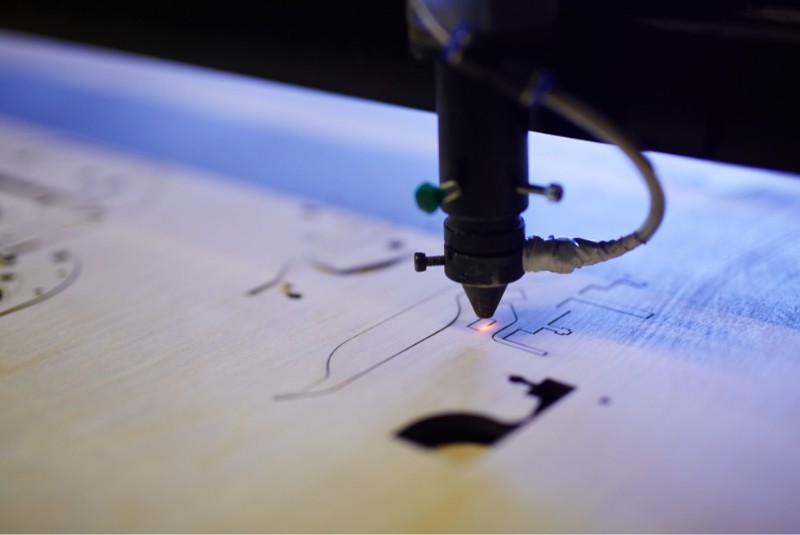
Laser cutting uses a focused beam of light to melt or vaporize metal along a precise path. There’s no physical blade touching the material, which means less distortion and cleaner cuts right out of the machine. When people ask about laser cutting vs traditional cutting, this is usually the first difference that changes their mind.
Which Method Delivers Better Precision for Custom Fabrication?
Precision is where laser cutting for metal fabrication really pulls ahead. Laser cutting systems can hold tolerances as tight as a few thousandths of an inch, which matters a lot for parts that need to fit together perfectly the first time.
Plasma cutting, by comparison, tends to leave a wider kerf and more heat-affected zone. Saw cutting works fine for rough sizing but struggles with complex shapes or curves. If your project involves intricate patterns or repeatable accuracy across hundreds of parts, laser cutting is going to save you time on the back end.
How Do You Match Cutting Method to Metal Thickness?
Not every job needs the same tool. Thin gauge sheet metal, anything under half an inch, is where laser cutting shines. It moves fast, keeps edges clean, and doesn’t warp the material from excess heat.
Traditional cutting methods, especially plasma and waterjet, still hold value for very thick plate steel where laser power becomes less efficient. That said, modern fiber lasers have closed that gap significantly over the last few years. We help clients figure out where their material thickness lands and recommend the method that actually fits, instead of pushing one process for everything.
Why Does Edge Quality Affect Your Project Timeline?
Rough or slag-covered edges from traditional cutting almost always need secondary finishing. That means grinding, deburring, or sanding before the part is ready for welding or assembly. Those extra steps add labor hours and cost that don’t show up until the invoice arrives.
Laser cutting produces a smooth, consistent edge with minimal slag. Fewer finishing steps means your parts move faster from cutting to the next stage of production. For shops running tight schedules, that difference adds up fast across a full production run.
How Does Production Speed Compare Across These Metal Cutting Methods?
Speed depends heavily on the job. For simple straight cuts on thick material, a saw or shear might still win. But once you throw complex geometry into the mix, holes, repeated patterns, that kind of thing, laser cutting pulls way ahead of traditional methods. It doesn’t need multiple tool changes or someone manually repositioning the material between cuts.
Automation plays a big part in that too. Laser cutting systems run off programmed files, so once a design’s set, it repeats with the exact same accuracy every single time. Traditional cutting methods lean a lot more on operator skill and manual setup, and that’s really where the variability creeps in from one part to the next.
What Should You Consider Before Picking A Cutting Process?
A few questions can point you toward the right answer fast:
- What’s the material thickness and type?
- How tight are your tolerance requirements?
- Does the design include curves, holes, or intricate shapes?
- What quantity are you running, one-off or full production?
- How much finishing time can your schedule absorb?
Answering these honestly usually makes the decision between laser cutting vs traditional cutting methods pretty clear.
Why Fabricators Choose Newburgh Metals for Laser Cutting Services
We’ve built our laser cutting process around exactly the concerns fabricators bring to us: precision, consistency, and turnaround. Our equipment handles a wide range of metal thicknesses and materials, so you’re not stuck guessing whether your project fits our capabilities.
We also work directly with engineers and project managers to review specs before cutting begins, so there aren’t surprises once the job is in production. If you’re comparing laser cutting for metal fabrication against a traditional method for your next project, reach out to Newburgh Metals. We’ll walk through your material, your tolerances, and your timeline, then tell you honestly which process gets you the best result.
Frequently Asked Questions
Is laser cutting more expensive than traditional cutting methods?
For really thick plate steel, laser cutting can cost more upfront, that’s true. But overall, it often ends up saving money in the bigger picture. Faster cutting speeds, less material going to waste, fewer finishing steps needed afterward, all of that brings the total project cost down, especially on parts with complex shapes or tight tolerances that other methods struggle with.
Can laser cutting handle stainless steel and aluminum equally well?
Yes, it works well on both, though the settings do differ depending on the material. Reflective metals like aluminum need the power and speed settings adjusted, otherwise you can end up with inconsistent cuts. Experienced operators know to account for that during setup though, so it’s not really an issue in practice.
Does laser cutting work for thick industrial plate steel?
It handles moderate to thick plate steel pretty effectively, yeah. Once you’re getting into extremely thick material though, plasma or waterjet cutting can still be the better call. That said, fiber laser technology has really expanded the practical thickness range laser cutting can handle efficiently over the past few years.
How long does a typical laser cutting turnaround take?
That depends on part complexity, quantity, and how thick the material is, but generally speaking laser cutting moves faster than traditional methods once you’re dealing with detailed designs. Simple runs at high volume can often get done within a few business days, as long as the specs are confirmed upfront.
What file formats are needed to start a laser cutting project?
Most laser cutting shops will accept common CAD file formats, DXF and DWG being the usual ones. Sending accurate, to-scale files from the start helps avoid delays down the line, and our team goes through every file before cutting even begins, just to catch anything that might cause an issue early.